


Six mechanisms that made a design team predictable
Plan, execute, communicate. The six mechanisms I put behind a design org so that outcomes stopped depending on heroics, each described as what it replaced.
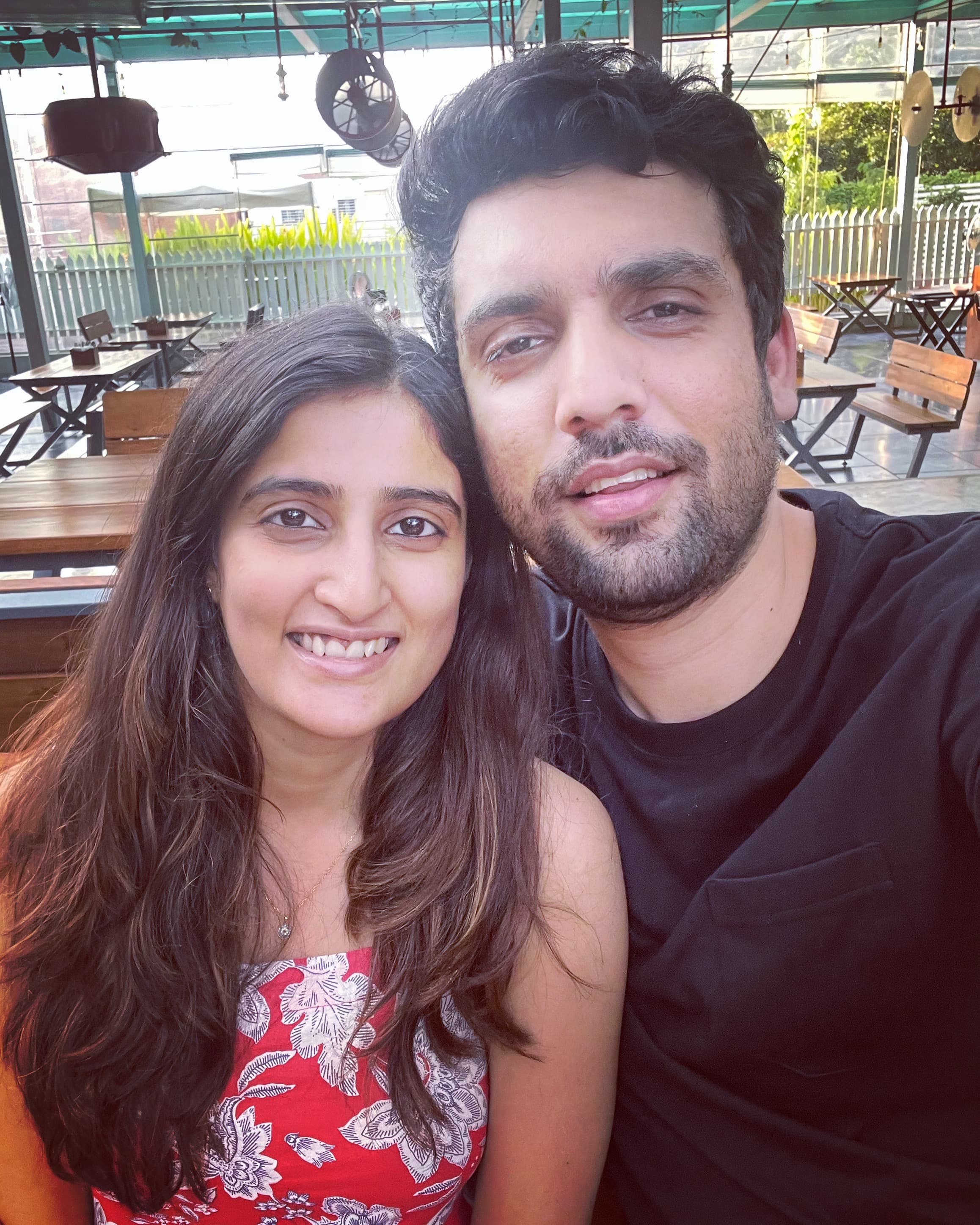
I'm Director of Design at Pine Labs and Head of Design at Setu, based in Bangalore, leading a team of eight across payments and India's fintech infrastructure. Before that: founding designer at Punchh, later acquired by PAR for $500MM; the early team at Ola; and seven years at Amazon working with global teams.
I work at the intersection of systems, scale, craft and AI: building the mechanisms that raise the bar, and the AI-native ways of working that let my team think more and produce faster, from the AI initiative I drove at Setu to the Claude and Figma workflows we design and ship with today.
Outside of work, I'm deeply curious about art and architecture, enjoy visiting museums around the world, and value time spent with friends and family.


Plan, execute, communicate. The six mechanisms I put behind a design org so that outcomes stopped depending on heroics, each described as what it replaced.
Use metrics count actions. Outcome metrics verify the action left the user better off. How I rebuilt the way a design team is measured, and what it changed about how the team is treated.
Regulation as a design constraint, trust as the product, and running a design org that ships across B2B and B2C. Notes from leading design at Setu and Pine Labs.