Why great design teams act like investors, not just artists
Originally published on Medium.
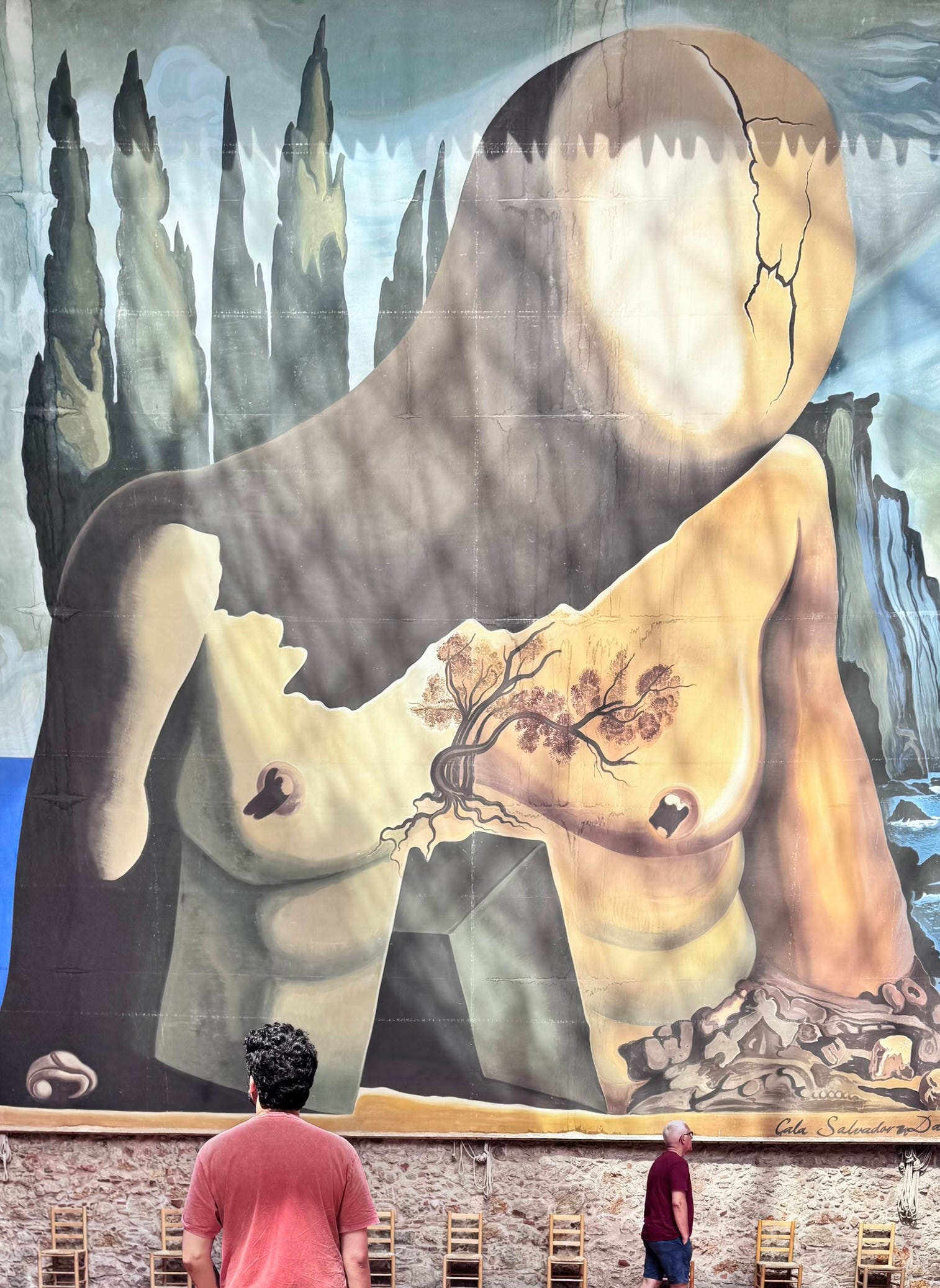
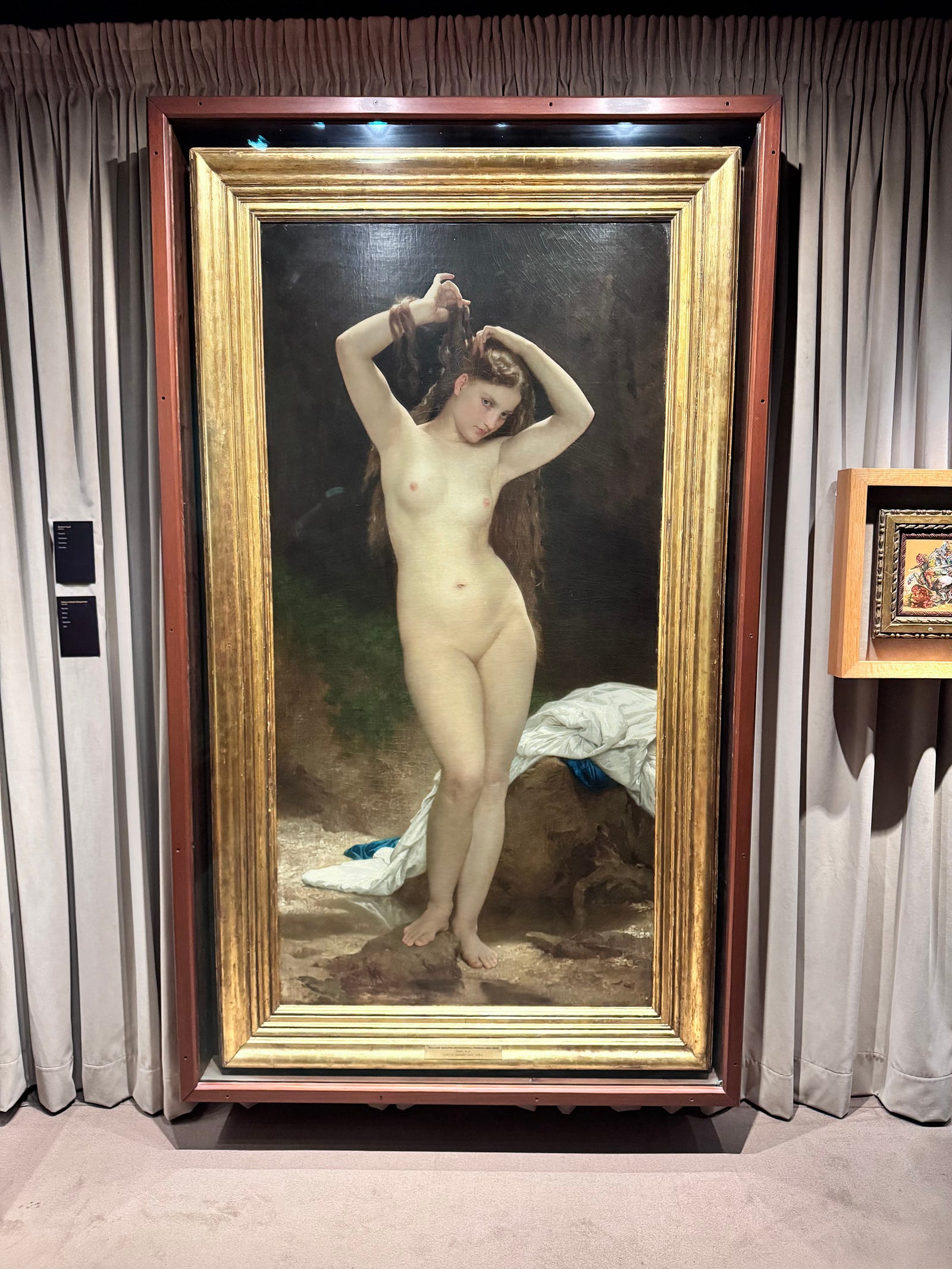
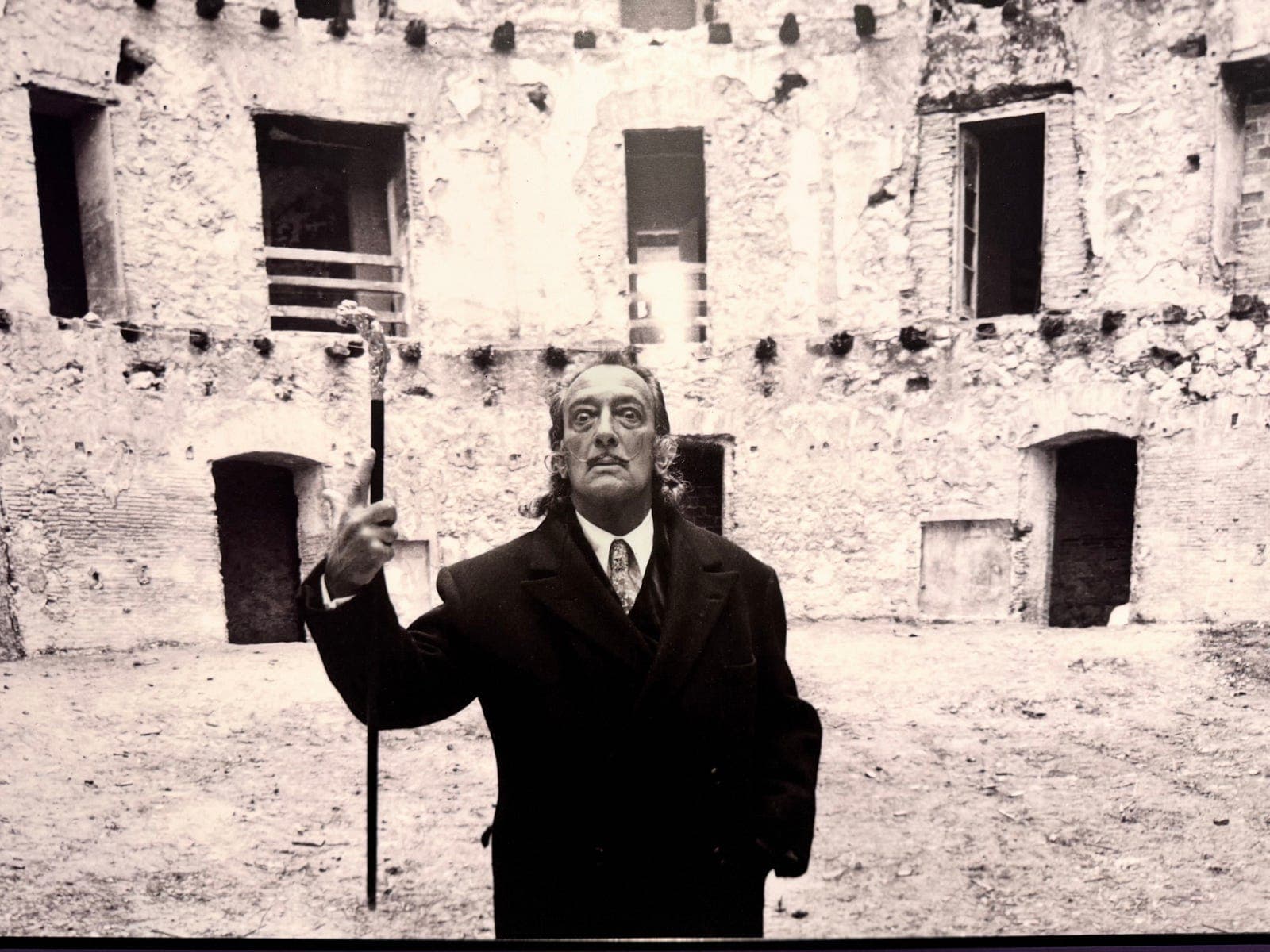
Captured a picture of a picture at the Dalí Theatre-Museum in Figueres, Spain. Dalí standing before what would become his masterpiece.
The quiet systems behind design teams that stay strategic
In most orgs especially startups, design ends up chasing the loudest request or the latest fire. It starts from good intent, helping where needed, but quickly turns into endless context switching. Without a clear system to guide priorities, design reacts more than it leads*.* That’s not strategy, that’s survival. Once you put in place a clear way to work with cross-functional teams, that dynamic changes. It brings clarity, alignment, and focus to what design works on.
At Setu, we run Quarterly Design Planning (QDP) sessions with product leadership. Design team gathers upcoming initiatives, looks at org OKRs, and accounts for carryover design debt. Then we map out a high-level plan: who’s working on what, when, and how it connects to company goals.
That upfront alignment means design effort goes where it matters most, not where it’s loudest. It also creates the right context to push back on lower-priority work. “We can’t take on X this month because the new Y feature is a top company priority.”
QDP forces strategic thinking right at the intake stage. Requesters have to articulate the problem and define what success looks like. It’s common for someone to realize their brief isn’t tied to any product KPI and either refine it or drop it altogether. That saves everyone time and keeps design focused on outcomes that matter.
Having one centralized intake also changes how prioritization happens. Design and PM leads look at everything in one place and decide together: “We have 15 requests, capacity for 10, which ones create the most impact?” Without that discipline, design often gets overcommitted and stretched thin, quality drops, and burnout follows.
At its core, design planning is about managing demand and supply transparently. That’s what turns design into a strategic function. It’s also about setting expectations. We share a biweekly design newsletter that highlights what’s in progress, what’s paused, and what’s shipped for that quarter. That visibility builds trust. People start to see design as a team that operates with intent and discipline. It’s funny how something as simple as a visible queue can make design feel more credible across the org.
A PM said,
“I like that design isn’t a black box anymore. It’s clear what’s being worked on and how it connects to what we’re building.”
Another shared,
“The biweekly updates help me stay connected to what’s moving, what’s blocked, and what’s live.”
That’s the quiet influence of team which thinks like an investor, teaching people how to work with design without ever needing to say it out loud.
And when urgent work does show up, it doesn’t derail the system. Critical fixes and compliance tasks are handled through a known triage rule. We limit ad hoc work to a set percentage of bandwidth and have a rotating “design on support” role. That structure keeps the important work, like a major navigation redesign or a new product exploration, moving forward instead of getting lost in the noise.
In the end, a structured mechanism does more than organize requests. It aligns design with strategy, protects focus, and makes outcomes predictable. It’s one of the things which turns design from a creative service into a strategic partner that drives measurable value for the business.
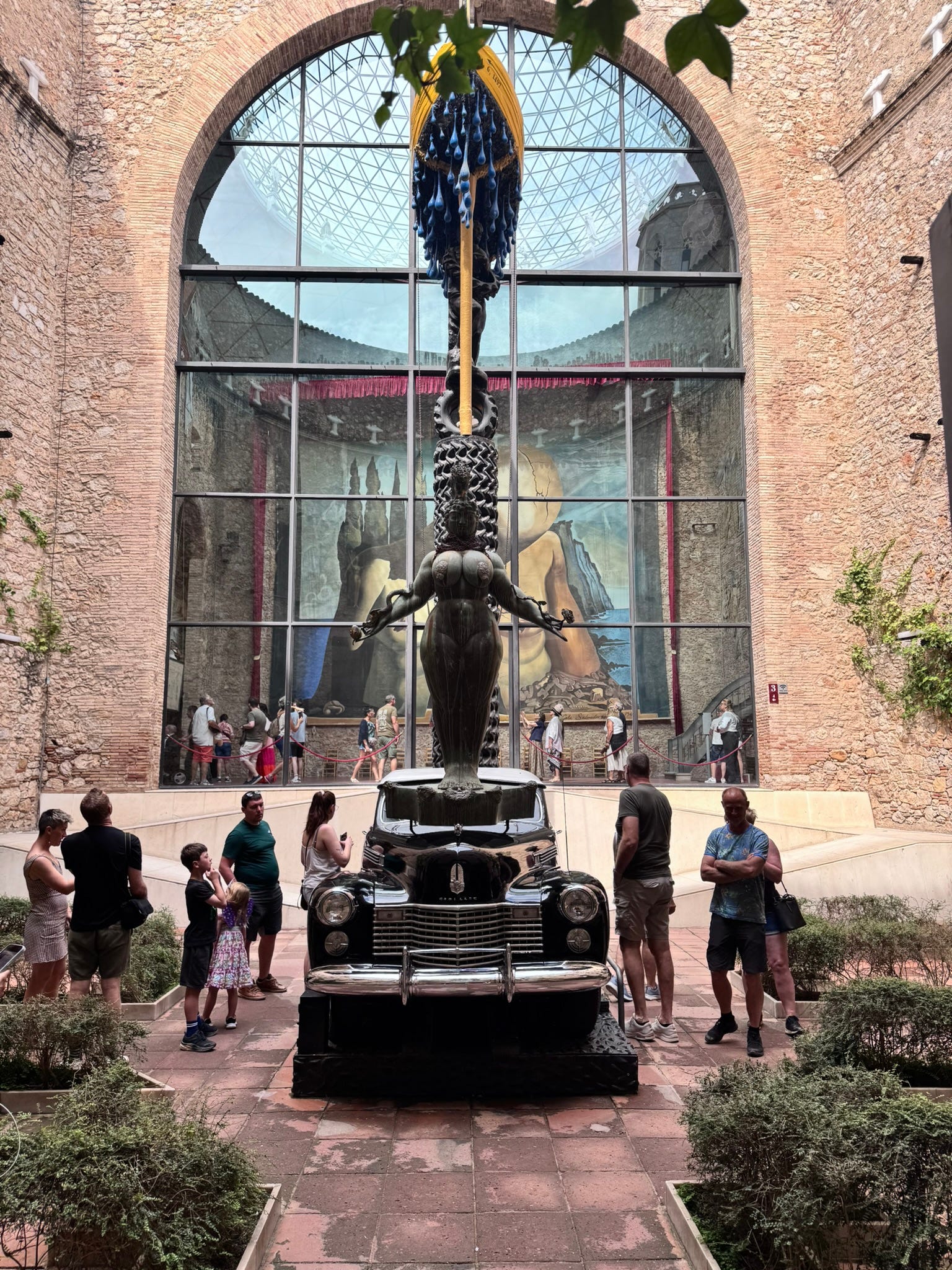
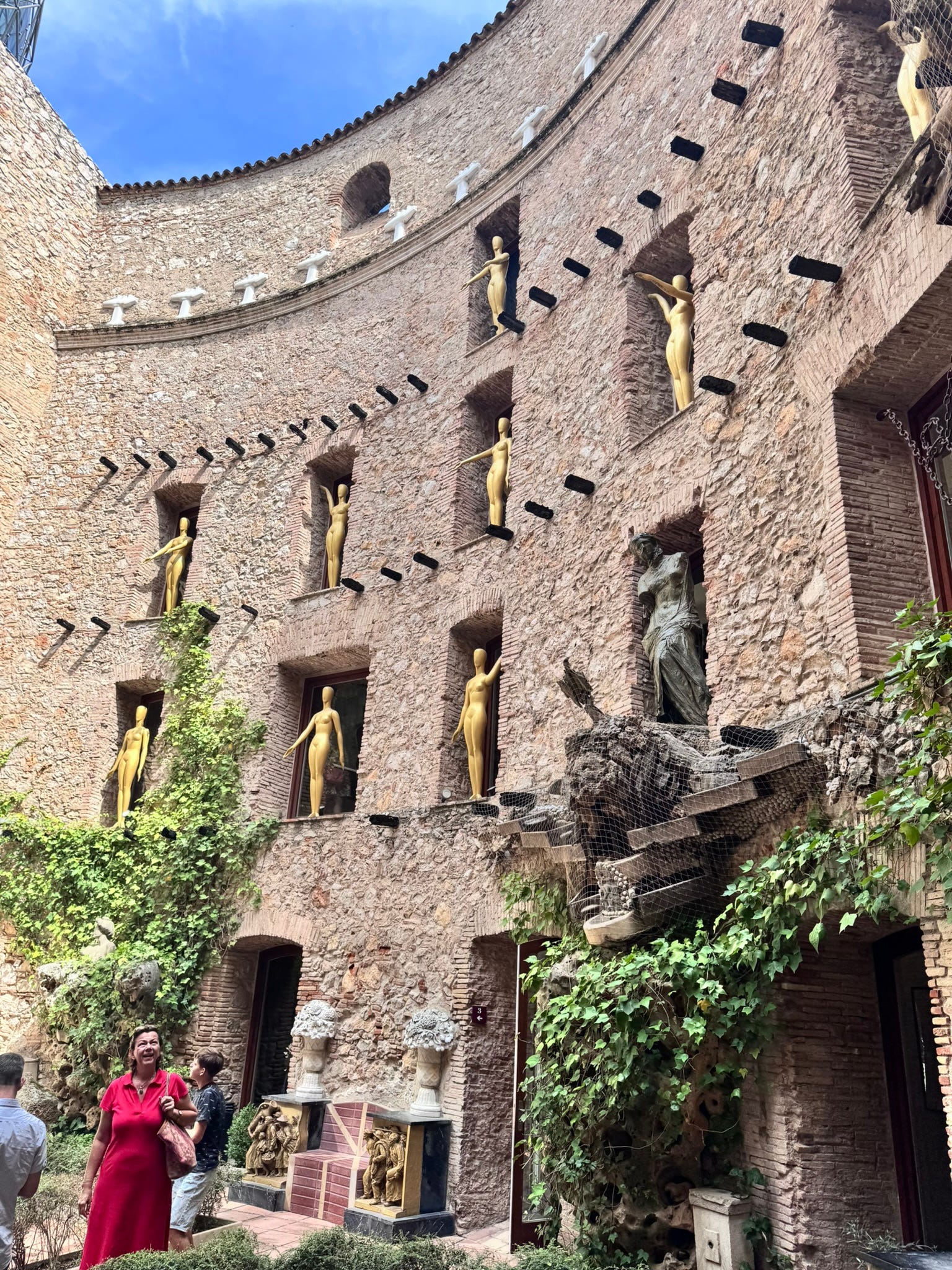
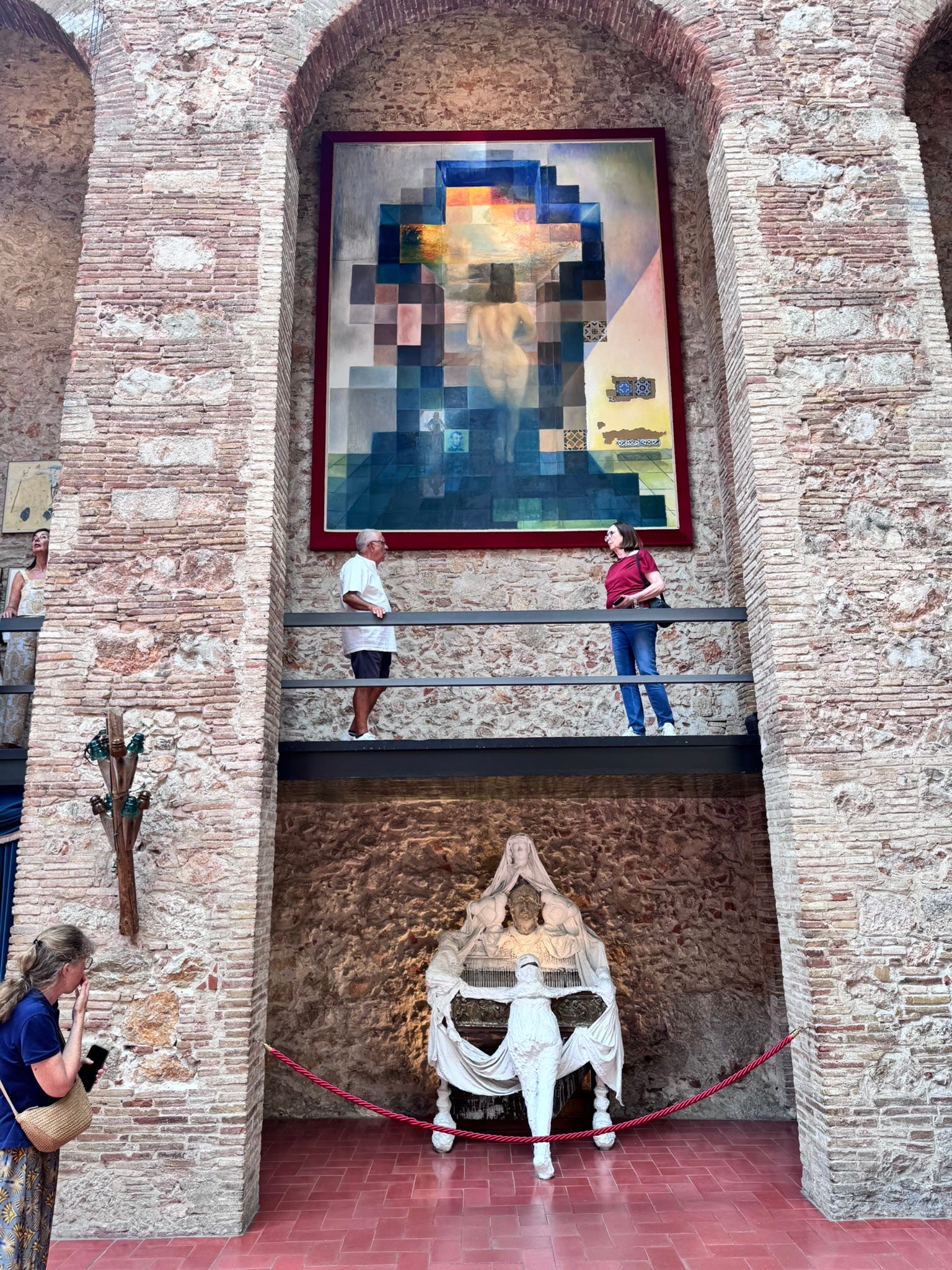
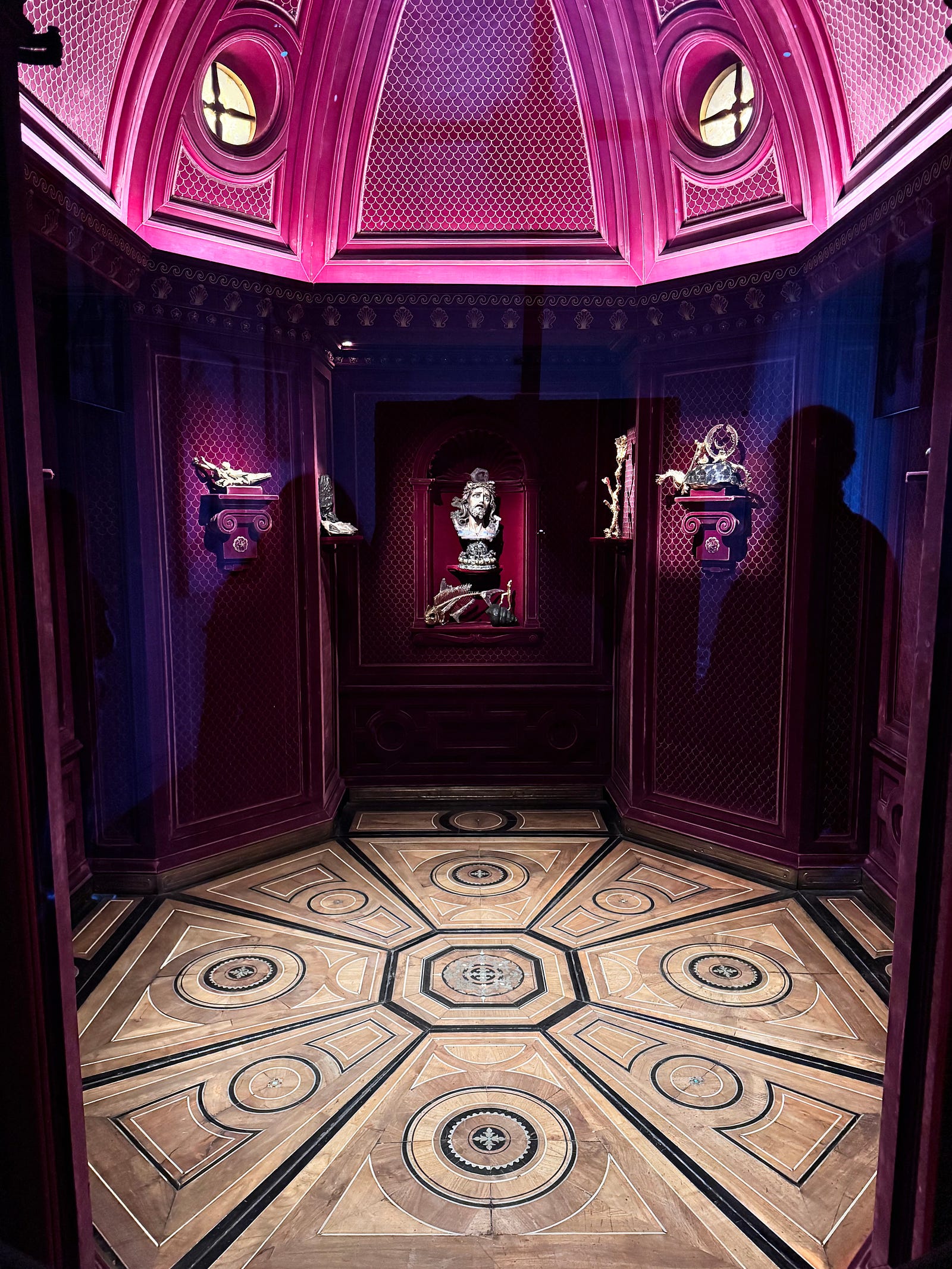
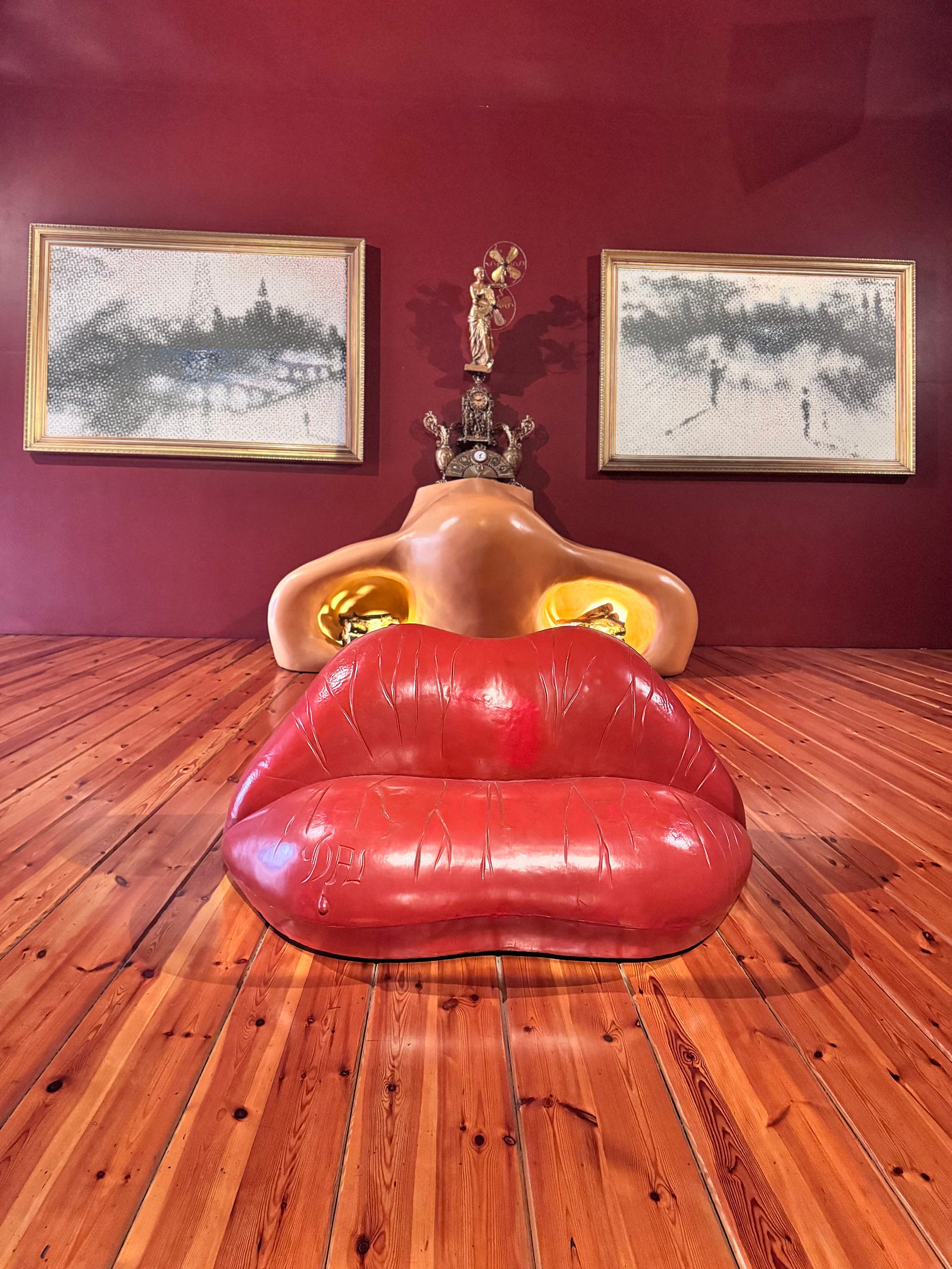
In a way, it reminds me of Dalí and his team building his Theatre-Museum in Figueres. He wasn’t just creating art, he was designing an ecosystem that would preserve and amplify his work long after him. He thought like an investor, not just an artist. That same mindset is what great design teams bring to organizations: the ability to balance creativity with structure, vision with execution, and imagination with intent.
Thanks for reading!
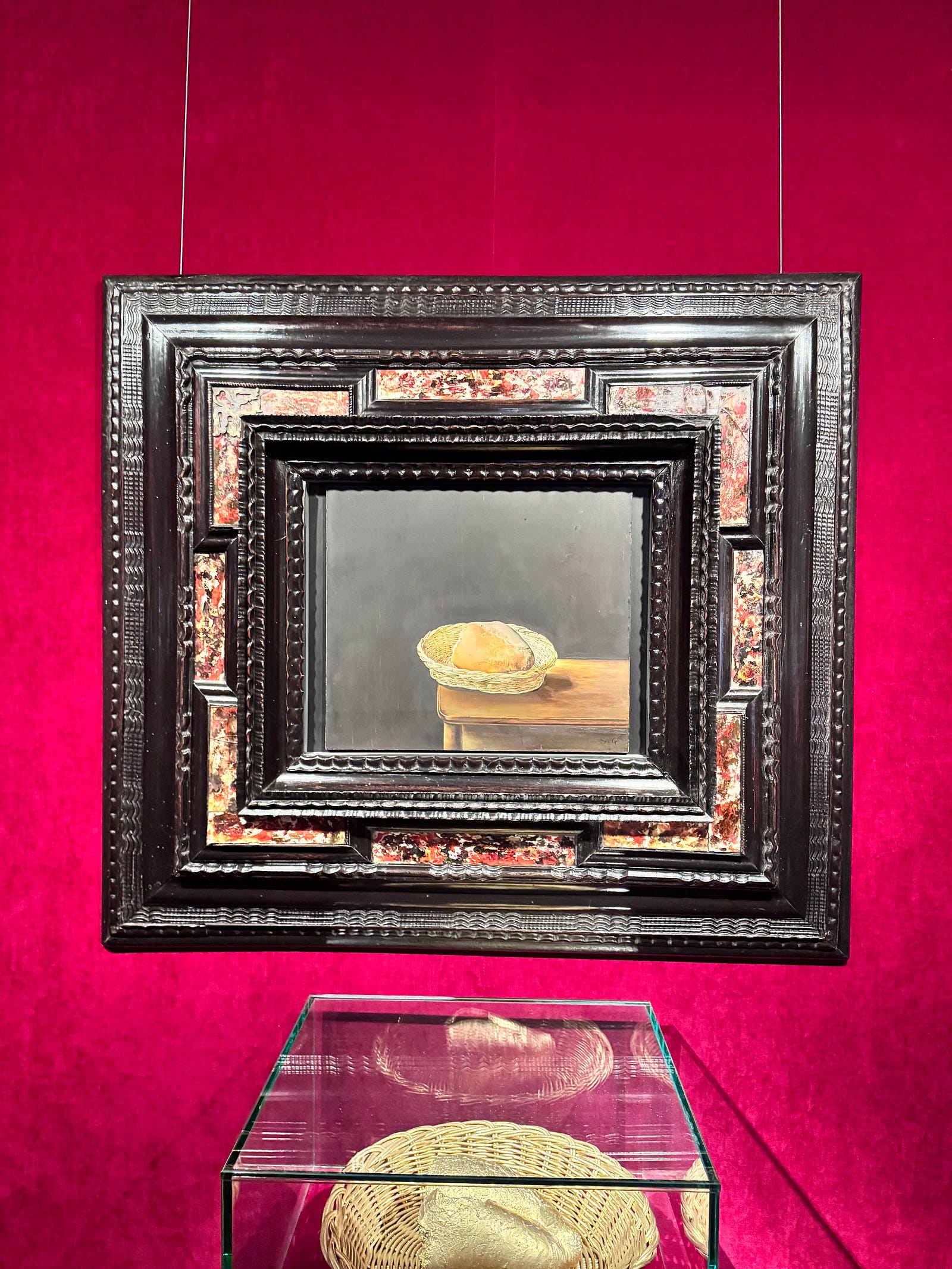
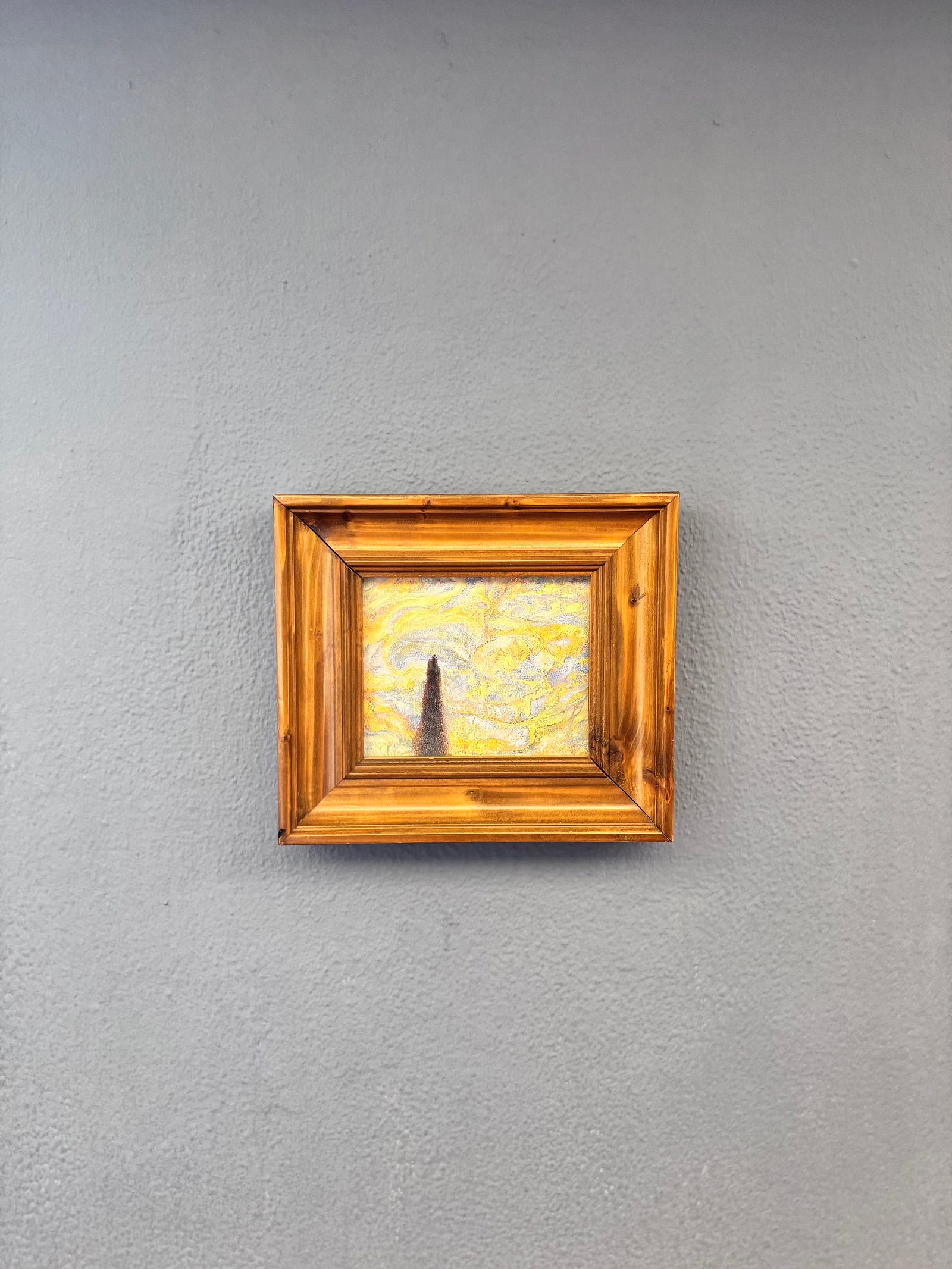
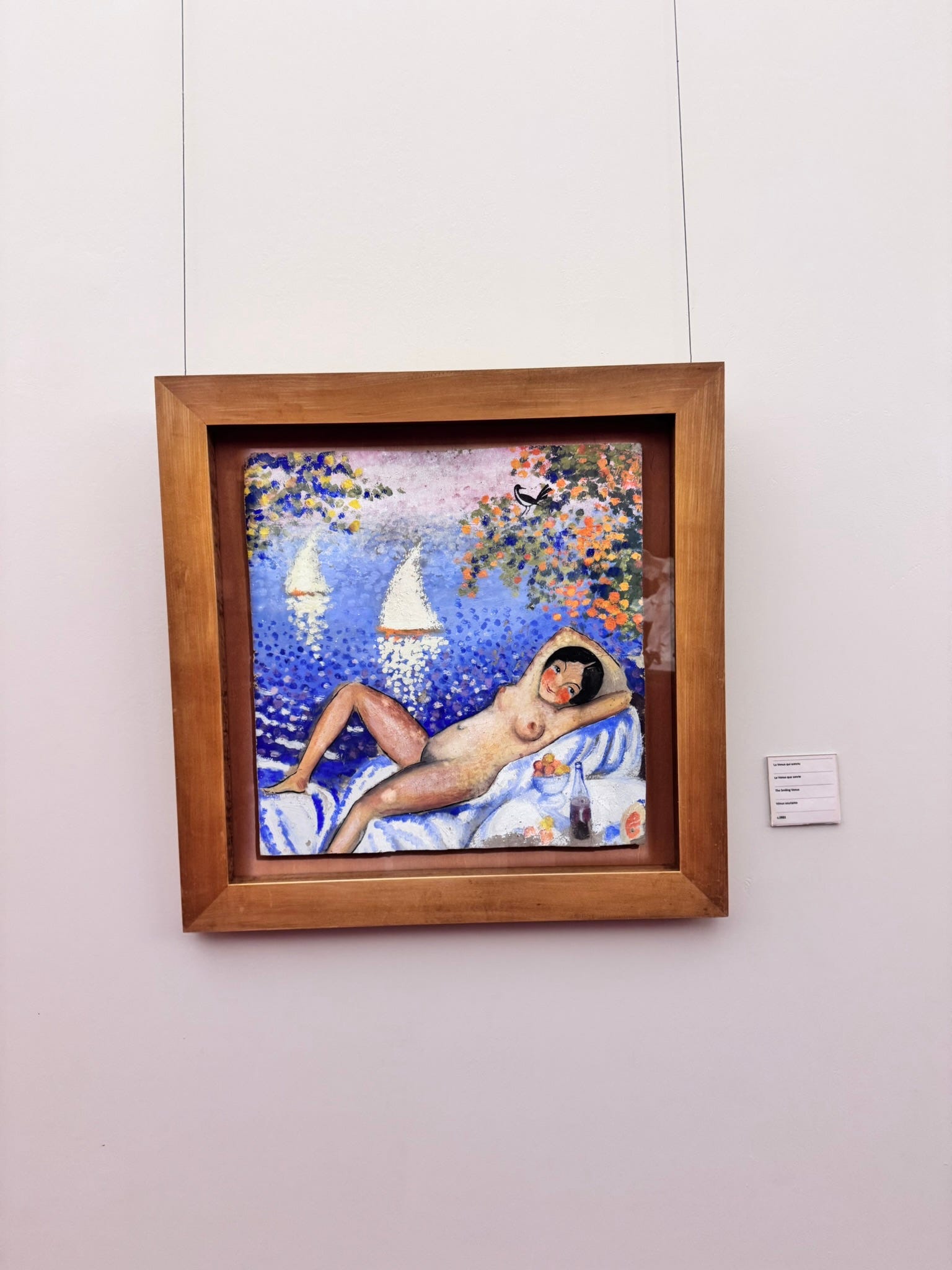
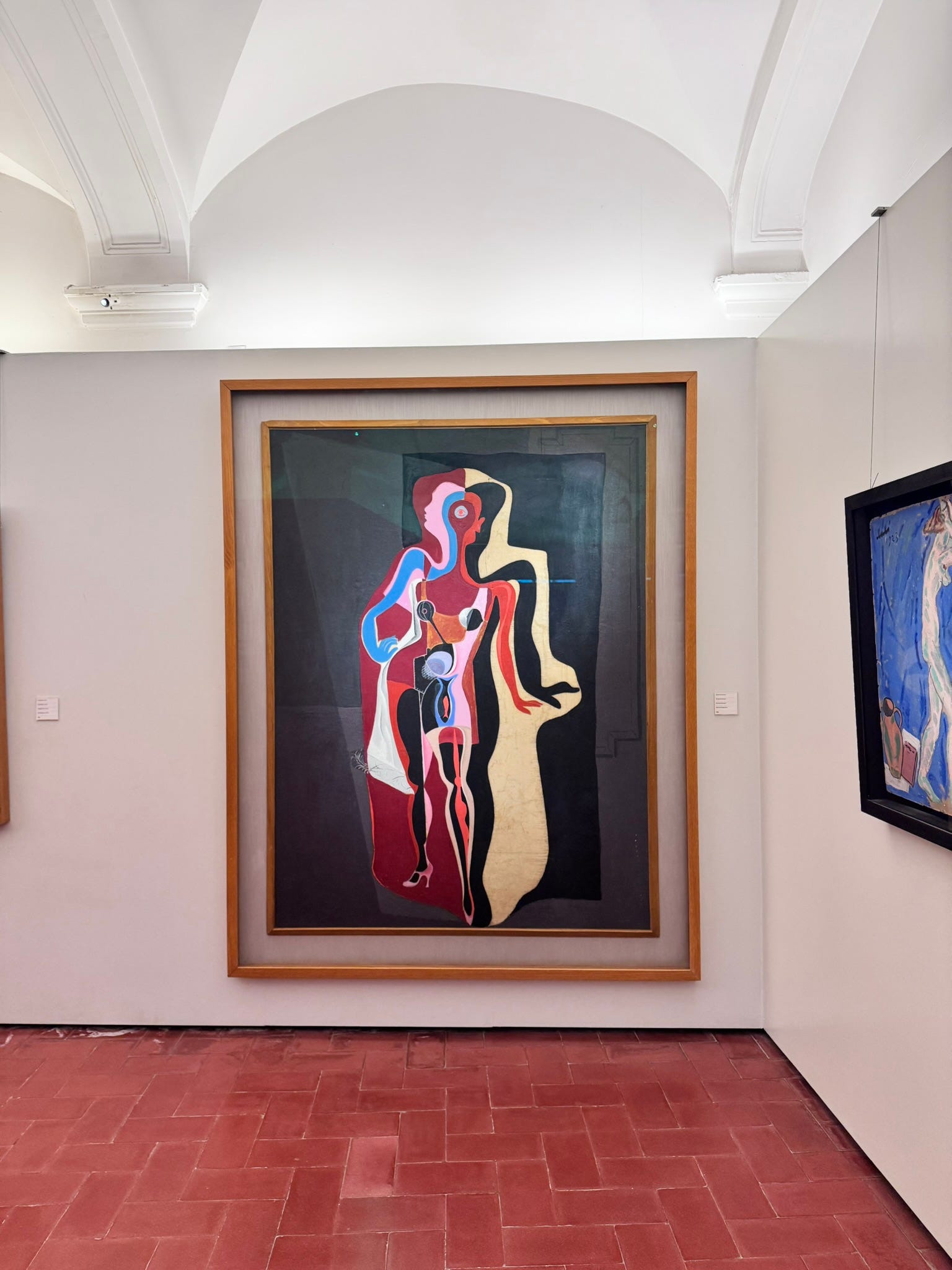
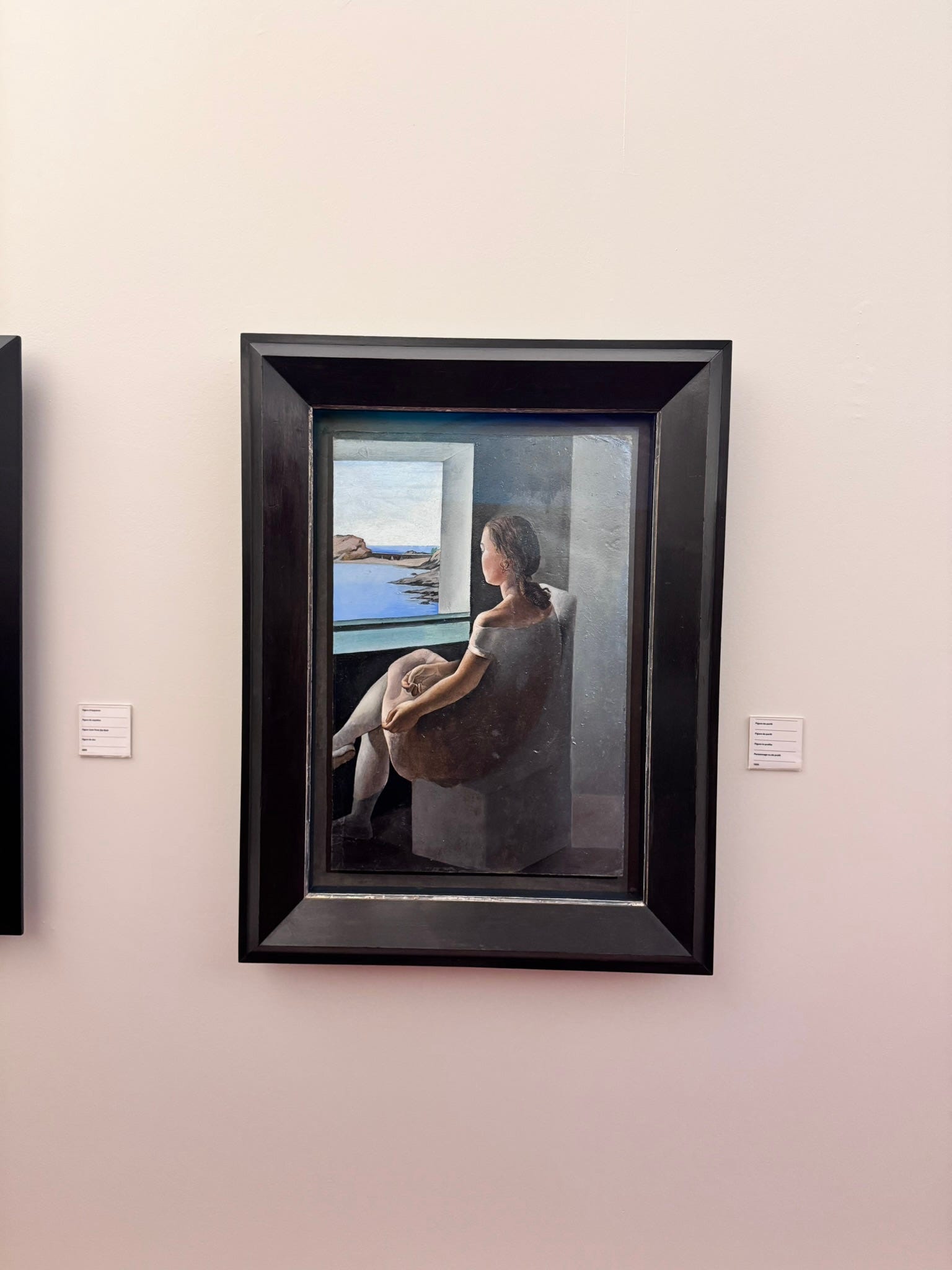
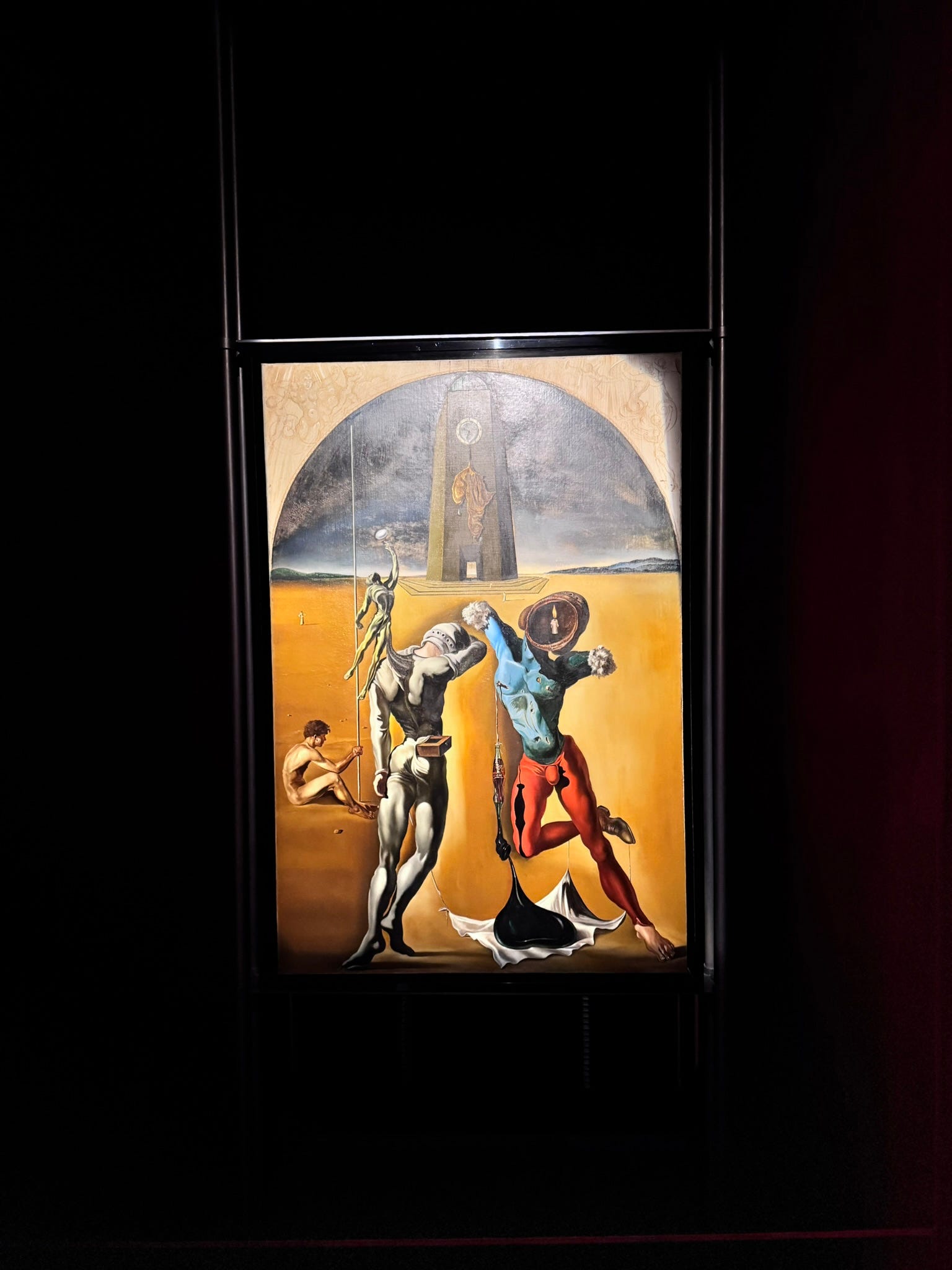
Enjoy some pictures from the Dalí Museum